October 14, 2026
Arely Ambriz
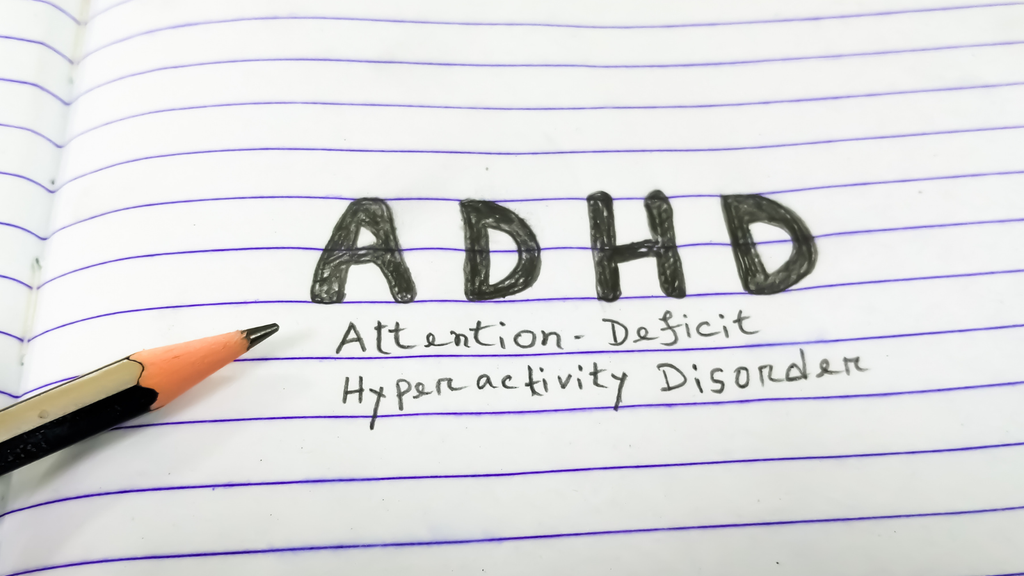
ADHD is more than being easily distracted or having trouble sitting still. Attention-deficit/hyperactivity disorder (ADHD) is a neurodevelopmental condition that can affect attention, organization, impulse control, emotional regulation, and everyday functioning. While ADHD is often identified during childhood, many people continue to experience symptoms into adulthood without realizing that ADHD may be the reason behind their struggles.
ADHD Awareness Month is an opportunity to educate families, challenge common misconceptions, and encourage people to seek the support they need. Understanding how ADHD affects children and adults can help individuals recognize symptoms earlier, reduce unnecessary frustration, and take steps toward better mental health.
At MindShift Care, we believe that understanding your mental health is an important part of getting the right support.
What Is ADHD?
Attention-deficit/hyperactivity disorder, commonly known as ADHD, is a neurodevelopmental condition that affects how the brain manages attention, activity levels, and impulses. ADHD symptoms generally fall into three categories:
- Inattention: Difficulty concentrating, following instructions, staying organized, or completing tasks.
- Hyperactivity: Restlessness, excessive movement, difficulty sitting still, or feeling constantly on the go.
- Impulsivity: Acting without thinking, interrupting others, or having difficulty waiting.
ADHD can present differently from person to person. Some individuals primarily experience inattention, while others experience hyperactivity and impulsivity or a combination of symptoms.
ADHD is not simply a lack of discipline, laziness, or poor parenting. It is a recognized condition that can affect people of all ages, and the right evaluation and support can make a meaningful difference.
How ADHD Affects Children
Children with ADHD may have difficulty navigating school, friendships, family expectations, and everyday responsibilities. Because ADHD symptoms can sometimes be misunderstood, children may be labeled as disruptive, careless, lazy, or difficult when they are actually struggling with skills that require additional support.
Common Signs of ADHD in Children
ADHD symptoms in children may include:
- Frequently losing school supplies, toys, or other belongings.
- Having difficulty following directions or completing assignments.
- Becoming distracted during class or conversations.
- Struggling to sit still or frequently moving around.
- Interrupting others or acting impulsively.
- Having trouble managing frustration or strong emotions.
- Forgetting daily routines or needing frequent reminders.
These behaviors do not automatically mean a child has ADHD. However, when symptoms are persistent, occur in more than one setting, and interfere with daily life, a professional evaluation may be helpful.
The Emotional Impact of ADHD on Children
When children repeatedly struggle to meet expectations, they may begin to believe that something is wrong with them. They might hear that they are not trying hard enough, even when they are putting significant effort into tasks that feel difficult.
Over time, these experiences can contribute to low self-esteem, frustration, social difficulties, and anxiety. A child who worries about getting in trouble, falling behind in school, or disappointing adults may begin to associate everyday responsibilities with stress.
Recognizing ADHD early can help parents, teachers, and mental health professionals understand a child’s needs and develop strategies that support learning, emotional well-being, and confidence.
How ADHD Affects Adults
ADHD does not disappear simply because someone grows up. Many adults continue to experience symptoms, and some do not receive a diagnosis until adulthood.
In adults, ADHD may look different than the hyperactive behavior commonly associated with children. Instead of running around a classroom, an adult might experience racing thoughts, difficulty prioritizing tasks, chronic disorganization, or an ongoing feeling of being overwhelmed.
Common Signs of ADHD in Adults
Adults with ADHD may experience:
- Difficulty managing time or meeting deadlines.
- Frequently procrastinating, even on important tasks.
- Struggling to stay focused during meetings or conversations.
- Forgetting appointments, responsibilities, or important details.
- Feeling overwhelmed by household chores or work demands.
- Difficulty starting or finishing projects.
- Impulsive decisions or challenges with emotional regulation.
- Restlessness or difficulty relaxing.
Some adults develop coping strategies that help them manage their symptoms, making ADHD less obvious to others. They may spend extra hours at work, rely on constant reminders, or feel they must work harder than everyone else to stay organized.
Women and girls may also be overlooked because their symptoms can be less outwardly disruptive and may be mistaken for anxiety, daydreaming, or emotional sensitivity.
If these challenges consistently interfere with work, relationships, finances, or daily life, exploring the possibility of ADHD with a qualified professional may be a useful next step.
The Connection Between Undiagnosed ADHD and Anxiety
One important reason to recognize ADHD is its potential connection to other mental health challenges, including anxiety and depression.
When ADHD goes undiagnosed, individuals may spend years trying to understand why everyday tasks feel unusually difficult. They might repeatedly miss deadlines, forget important responsibilities, struggle with organization, or have trouble keeping up with expectations despite their best efforts.
Over time, these experiences can create a cycle of stress and self-doubt.
For example, a student who struggles to finish assignments may begin worrying about grades and disappointing their parents. An adult who frequently misses deadlines may develop persistent anxiety about work performance. Someone who has difficulty keeping up with household responsibilities may feel overwhelmed, ashamed, or frustrated.
Undiagnosed ADHD does not automatically cause anxiety or depression, but untreated ADHD symptoms can contribute to stress and may increase the risk of additional mental health difficulties. ADHD and anxiety can also occur together, making it important to understand the full picture rather than focusing on one symptom alone.
How ADHD and Anxiety Can Overlap
ADHD and anxiety can share some symptoms, including difficulty concentrating, restlessness, and trouble sleeping.
However, the underlying reasons may differ. Someone with ADHD might struggle to concentrate because their attention shifts frequently. Someone with anxiety might struggle to concentrate because they are preoccupied with worry. Some individuals experience both.
Undiagnosed ADHD may also contribute to anxiety through:
- Fear of failure: Repeated difficulties with school, work, or responsibilities can lead to persistent worry about making mistakes.
- Chronic overwhelm: Managing multiple tasks, deadlines, and expectations may feel exhausting.
- Low self-esteem: Years of criticism or comparisons with others can affect how people view themselves.
- Relationship stress: Forgetfulness, impulsivity, or difficulty following through can create misunderstandings with loved ones.
- Emotional exhaustion: Constantly trying to compensate for attention or organizational difficulties can become draining.
Recognizing these patterns can help individuals understand that their struggles deserve attention and support, rather than judgment.
Can Undiagnosed ADHD Lead to Depression or Other Mental Health Challenges?
ADHD can occur alongside several other mental health conditions, including anxiety and depression. Although not everyone with ADHD will develop another condition, ongoing difficulties and negative experiences can affect emotional well-being.
For children, repeated academic struggles, social rejection, or criticism may contribute to feelings of inadequacy. For adults, ongoing challenges with employment, relationships, finances, and daily responsibilities can create frustration and emotional fatigue.
Some individuals may blame themselves for difficulties they do not fully understand. They may believe they are lazy, irresponsible, or incapable, even when they are making significant efforts to manage their symptoms.
It is important to remember that symptoms of ADHD, anxiety, and depression can overlap. Difficulty concentrating, for example, can occur with all three. A comprehensive assessment can help clarify what someone is experiencing and identify appropriate treatment options.
Early recognition and support can help individuals develop practical coping strategies, improve daily functioning, and address co-occurring mental health concerns before they become more difficult to manage.
How ADHD Is Diagnosed
There is no single test that can diagnose ADHD. A qualified healthcare professional typically evaluates a person’s symptoms, developmental history, daily functioning, and experiences across different settings.
For children, this may include information from parents, caregivers, and teachers. For adults, an evaluation may explore childhood symptoms, work and relationship challenges, and current patterns of attention and organization.
A professional may also consider whether anxiety, depression, sleep problems, learning differences, or other conditions could be contributing to the symptoms.
Seeking an evaluation does not mean that every attention or behavior challenge is ADHD. Instead, it provides an opportunity to better understand what is happening and determine which forms of support may be appropriate.
How Mental Health Treatment Can Help People With ADHD
Although ADHD can create challenges, individuals can learn strategies to manage symptoms and improve their quality of life. Support should be tailored to the person’s needs, age, circumstances, and any co-occurring conditions.
Depending on the individual, treatment and support may include:
- ADHD education: Learning how ADHD affects attention, organization, and daily functioning.
- Therapy: Developing coping strategies, addressing negative self-talk, and managing emotional challenges.
- Organizational strategies: Using routines, reminders, task lists, and time-management techniques.
- Support for anxiety and depression: Addressing worry, low mood, stress, and related concerns.
- Medication management: When appropriate, discussing medication options with a qualified prescribing professional.
- Family and school support: Helping children receive appropriate accommodations and creating consistent routines at home.
Therapy does not cure ADHD, but it can help individuals develop skills to navigate its challenges. When anxiety or depression is also present, mental health care can address those concerns alongside ADHD-related difficulties.
For parents, learning more about ADHD can also make it easier to respond to a child’s behavior with understanding, structure, and encouragement rather than frustration or blame.
ADHD Awareness Month: Look Beyond the Behavior
ADHD Awareness Month reminds us that attention difficulties, impulsivity, restlessness, and disorganization are not always what they appear to be.
A child who seems to ignore instructions may be struggling to maintain attention. An adult who constantly feels behind may be dealing with executive functioning challenges. Someone who experiences anxiety around everyday responsibilities may need help understanding what is contributing to their stress.
Rather than assuming someone is lazy, careless, or not trying hard enough, it is important to consider the possibility that they may need additional support.
Recognizing ADHD is not about putting a label on every challenge. It is about understanding symptoms, identifying needs, and helping people access appropriate care.
If you or your child are experiencing persistent attention difficulties, emotional distress, or challenges that interfere with daily life, consider speaking with a qualified healthcare professional.
Find Mental Health Support With MindShift Care
You do not have to navigate mental health challenges alone. Whether you are concerned about ADHD symptoms, experiencing anxiety, or looking for support with overwhelming emotions, taking the first step toward care can help you better understand your needs.
MindShift Care provides mental health support for individuals seeking help with emotional and behavioral health concerns. If you are unsure where to begin, reaching out to a mental health professional can help you explore your concerns and discuss potential next steps.
Looking for mental health support in Houston? MindShift Care offers same-day mental health care, with walk-ins welcome, so you can take a step toward support without waiting weeks for an appointment.
Visit MindShift.care to learn more about available services.
MindShift Care — Support that meets you where you are.
Your mental health matters, too.
MindShift Care
8850 Huffmeister Rd.
Houston, TX
(346) 330-3730
Walk-ins welcome Monday–Friday, 8 AM–6 PM.
Same-day mental health care and telehealth options are available.
This article is for educational purposes only and is not a substitute for individualized medical or mental health advice. If you believe you may be experiencing postpartum depression, speak with a qualified healthcare or mental health professional.
Share
Recent Posts
ADHD Awareness Month: How Undiagnosed ADHD Can Affect Children and Adults
October 14, 2026
ADHD Awareness Month: Learn how ADHD affects children and adults, how undiagnosed ADHD can contribute to anxiety and other mental health challenges, and...

Postpartum Depression: When “Baby Blues” Feel Like Something More
August 20, 2026
Learn about postpartum depression in Houston and Texas, including the signs, science behind it, treatment options, and how to get compassionate mental health...

How to Know When You Need Support After a Loss
July 21, 2026
Houston is hosting FIFA excitement, but are you taking care of your mental health? Discover our FIFA Fan Mental Health Playbook and learn...