August 20, 2026
Arely Ambriz
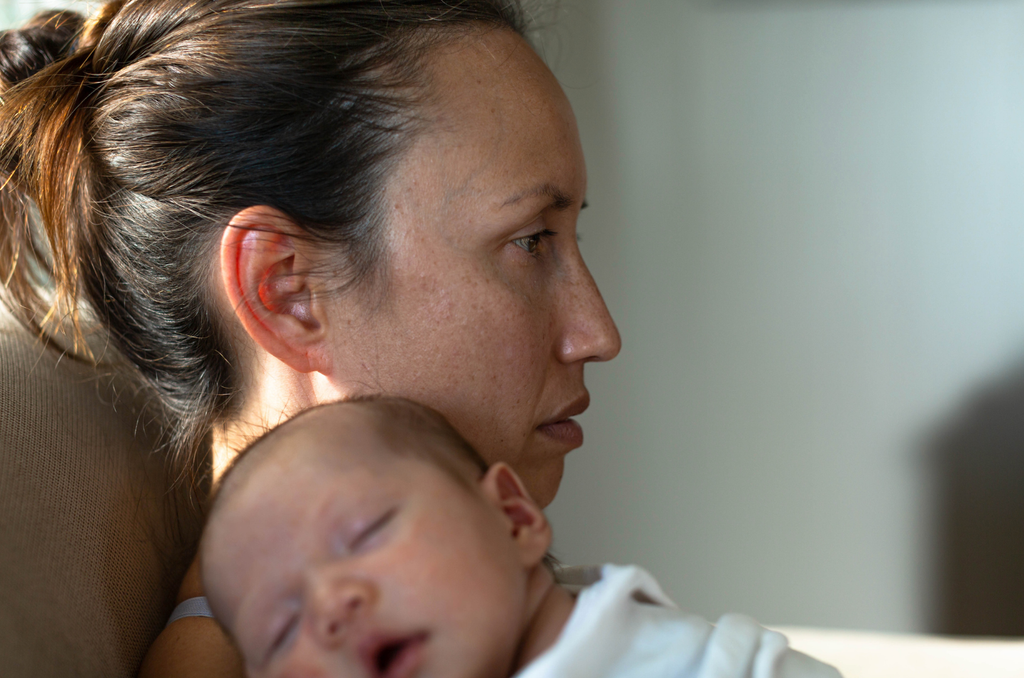
Bringing a baby into the world can be an emotional roller coaster. There can be joy, excitement, exhaustion, anxiety, and moments of uncertainty—all at the same time. But when sadness, hopelessness, anxiety, or emotional numbness become overwhelming or interfere with daily life, it may be more than the typical “baby blues.”
Postpartum depression (PPD) is a real and treatable mental health condition. If you are searching for postpartum depression in Houston or looking for postpartum depression treatment in Texas, knowing what to look for is an important first step toward getting support.
At MindShift Care, we believe new parents deserve mental health care that recognizes the physical, emotional, and psychological changes that can happen during the postpartum period.
What Is Postpartum Depression?
Postpartum depression is a form of depression that can develop during pregnancy or after giving birth. While it is often associated with the first few weeks after delivery, symptoms can develop later—including months after a baby is born.
Postpartum depression is different from the temporary “baby blues.” The baby blues are extremely common and may include crying, irritability, worry, and feeling overwhelmed. These symptoms typically improve within about two weeks.
Postpartum depression tends to be more persistent and can significantly interfere with a person’s ability to function, care for themselves, connect with others, or enjoy things they previously enjoyed.
And postpartum depression doesn’t always look like sadness. For some parents, it may feel more like intense anxiety, anger, guilt, emotional numbness, or feeling disconnected from the baby.
The Science Behind Postpartum Depression
So, why does postpartum depression happen?
There isn’t one single cause.
Pregnancy and childbirth involve enormous biological changes. Hormone levels shift dramatically following delivery, while sleep disruption, physical recovery, stress, changes in identity, breastfeeding challenges, relationship changes, and the demands of caring for a newborn can all affect mental health.
The brain and body are adjusting at the same time.
Research also shows that postpartum depression can be associated with anxiety and other mental health concerns. Previous depression or anxiety, limited social support, stressful life circumstances, and other challenges may increase vulnerability.
This is important because postpartum depression is not a sign that someone is a bad parent.
It isn’t caused by a lack of gratitude.
And it isn’t something you should simply have to “push through.”
It is a mental health condition that deserves professional attention.
Signs of Postpartum Depression
Every person’s experience is different, but common symptoms can include:
- Persistent sadness, emptiness, or hopelessness
- Frequent crying
- Feeling overwhelmed or unable to cope
- Loss of interest or pleasure in activities
- Intense guilt or feeling like you’re not a good enough parent
- Irritability or anger
- Excessive worry or anxiety
- Feeling emotionally numb or disconnected
- Difficulty bonding with your baby
- Changes in sleep beyond what is expected from caring for a newborn
- Changes in appetite
- Difficulty concentrating or making decisions
- Withdrawing from friends, family, or your partner
- Feeling worthless or helpless
- Thoughts of death, suicide, self-harm, or harming the baby
Some parents may also experience postpartum anxiety, which can involve racing thoughts, constant fear that something bad will happen to the baby, or difficulty relaxing even when the baby is safe.
How Long Can Postpartum Depression Last?
Postpartum depression does not necessarily begin immediately after childbirth.
Symptoms can appear weeks or months after delivery, and some people develop symptoms later in the first postpartum year. CDC research has found that some women who develop depressive symptoms at 9–10 months postpartum had not reported symptoms earlier in the postpartum period.
That’s why continuing to pay attention to your mental health throughout the postpartum year matters.
Postpartum Depression vs. Baby Blues
It can be difficult to know when normal postpartum adjustment has crossed into something that needs professional support.
Baby blues may look like:
- Feeling emotional or tearful
- Irritability
- Feeling overwhelmed
- Mood swings
- Anxiety
- Fatigue
These symptoms are common and generally improve within about two weeks.
Postpartum depression may involve:
- Symptoms that are intense or persistent
- Difficulty functioning day to day
- Loss of interest or pleasure
- Severe anxiety or hopelessness
- Difficulty connecting with others or your baby
- Feelings of worthlessness or guilt
- Thoughts of suicide or harming yourself or your baby
If you’re unsure whether what you’re experiencing is “normal,” you don’t have to figure it out alone. Talking with a healthcare or mental health professional can help.
How Is Postpartum Depression Diagnosed?
There isn’t a blood test that can simply tell you whether you have postpartum depression.
Instead, a healthcare professional will typically ask about your symptoms, how long you’ve been experiencing them, your medical and mental health history, and how you’re functioning at home.
Screening questionnaires can also help identify symptoms. Common screening tools include the Edinburgh Postnatal Depression Scale (EPDS) and the Patient Health Questionnaire-9 (PHQ-9). Texas Health and Human Services recommends validated postpartum depression screening and appropriate referral when a screening indicates possible depression.
A screening isn’t a diagnosis by itself—but it can be an important doorway to getting the right care.
How Is Postpartum Depression Treated?
The good news is that postpartum depression is treatable.
Treatment depends on the person’s symptoms, medical history, preferences, and individual circumstances. It may include:
Therapy
Therapy can provide a safe place to process the emotional changes that come with pregnancy, childbirth, and parenthood.
A therapist may use evidence-based approaches such as cognitive behavioral therapy (CBT) or interpersonal therapy to help address depression, anxiety, negative thought patterns, relationship stress, and the challenges of adjusting to parenthood.
Medication Management
For some people, medication may be part of treatment. A qualified healthcare professional can discuss potential options, including considerations related to pregnancy, breastfeeding, other medications, and your individual health history.
A Combination of Support
For some individuals, the most effective approach may involve therapy, medication management, support from loved ones, and ongoing follow-up care.
The goal isn’t simply to make the symptoms disappear. It’s to help you feel more like yourself again and give you tools to navigate this major life transition.
Finding Postpartum Depression Help in Houston and Texas
If you’re looking for postpartum depression treatment in Houston, you don’t have to wait until things become unbearable before asking for help.
Start by talking with your:
- OB-GYN or midwife
- Primary care provider
- Mental health professional
- Psychiatric provider
- Trusted family member or support person
Texas Health and Human Services recommends that people who screen positive for postpartum depression receive a referral for further evaluation and appropriate treatment.
If you’re in Houston, MindShift Care can help you take the next step toward mental health support.
You Don’t Have to Be “Doing Fine” Just Because the Baby Is
One of the hardest parts of postpartum depression can be admitting that you’re struggling.
You may love your baby deeply and still feel depressed.
You may be grateful to be a parent and still feel overwhelmed.
You may look happy to everyone around you and still feel like you’re barely holding everything together.
These things can exist at the same time.
Asking for help doesn’t make you
a bad parent. It means you’re taking care of yourself—and taking care of yourself is part of taking care of your family.
When to Seek Immediate Help
If you are experiencing thoughts of suicide, self-harm, or harming your baby, seek immediate professional help. Thoughts of harming yourself or your baby can require emergency evaluation. Texas Health and Human Services specifically notes that emergency care may be necessary when there is imminent risk of harm.
You deserve support, compassion, and appropriate care.
Postpartum Depression Treatment in Houston
If postpartum depression is making it difficult to enjoy your life, connect with your baby, or feel like yourself, help is available.
MindShift Care provides accessible mental health care for people who need support navigating depression, anxiety, and other mental health concerns.
You don’t have to wait until you’re at your breaking point.
Your mental health matters, too.
MindShift Care
8850 Huffmeister Rd.
Houston, TX
(346) 330-3730
Walk-ins welcome Monday–Friday, 8 AM–6 PM.
Same-day mental health care and telehealth options are available.
This article is for educational purposes only and is not a substitute for individualized medical or mental health advice. If you believe you may be experiencing postpartum depression, speak with a qualified healthcare or mental health professional.
Share
Recent Posts
Postpartum Depression: When “Baby Blues” Feel Like Something More
August 20, 2026
Learn about postpartum depression in Houston and Texas, including the signs, science behind it, treatment options, and how to get compassionate mental health...

How to Know When You Need Support After a Loss
July 21, 2026
Houston is hosting FIFA excitement, but are you taking care of your mental health? Discover our FIFA Fan Mental Health Playbook and learn...

Feeling Hopeless: What to Do When Depression Feels Unmanageable
July 21, 2026
Houston is hosting FIFA excitement, but are you taking care of your mental health? Discover our FIFA Fan Mental Health Playbook and learn...