May 1, 2026
Arely Ambriz
Mental health support has historically relied entirely on human connection—a trained professional sitting across from you, listening, nodding, and helping you untangle your thoughts. But over the last few years, artificial intelligence has entered the chat. Millions of people are now turning to conversational AI models like ChatGPT for immediate advice, coping strategies, or just a listening “ear” when they feel overwhelmed. The accessibility is undeniable, especially when wait times for traditional therapy can drag on for months.
But as the digital and psychological worlds collide, an important question emerges: Is ChatGPT safe for mental health support?
Navigating mental health challenges requires nuance, care, and expertise. While AI can process vast amounts of text and mimic empathetic responses, it lacks the lived experience and clinical judgment of a human provider. Understanding where AI shines and where it falls dangerously short is essential for anyone considering using these tools for emotional support. This guide explores the pros, cons, and risks of using ChatGPT for mental health, and how it compares to real therapy.
Is ChatGPT Safe for Mental Health? (Pros, Cons, and Risks)
The idea of texting an AI about your deepest anxieties might sound strange to some, but it offers a few clear advantages. ChatGPT is available 24/7, costs little to nothing, and provides a completely judgment-free zone. For someone experiencing a panic attack at 2:00 a.m., an AI chatbot can offer immediate grounding techniques or deep breathing exercises.
Interestingly, AI can sometimes adhere to therapeutic frameworks, like Cognitive Behavioral Therapy (CBT), more strictly than some human counselors. Because it operates on structured data and algorithms, it doesn’t get tired, frustrated, or distracted. It can walk a user through a CBT worksheet or help reframe negative thoughts with clinical precision.
However, the risks of relying on ChatGPT for mental health are significant.
- Underestimating severe risks: AI models are not trained to read between the lines. If a user expresses vague hopelessness, a human therapist can pick up on subtle cues, tone of voice, and body language to assess suicide risk. ChatGPT might simply offer a generic coping strategy, completely underestimating a life-threatening crisis.
- Hallucinations and bad advice: AI can confidently generate inaccurate or harmful information, sometimes known as “hallucinations.” In a mental health context, bad advice can exacerbate anxiety or trauma.
- Privacy concerns: Entering sensitive health information into a third-party application raises major data privacy red flags.
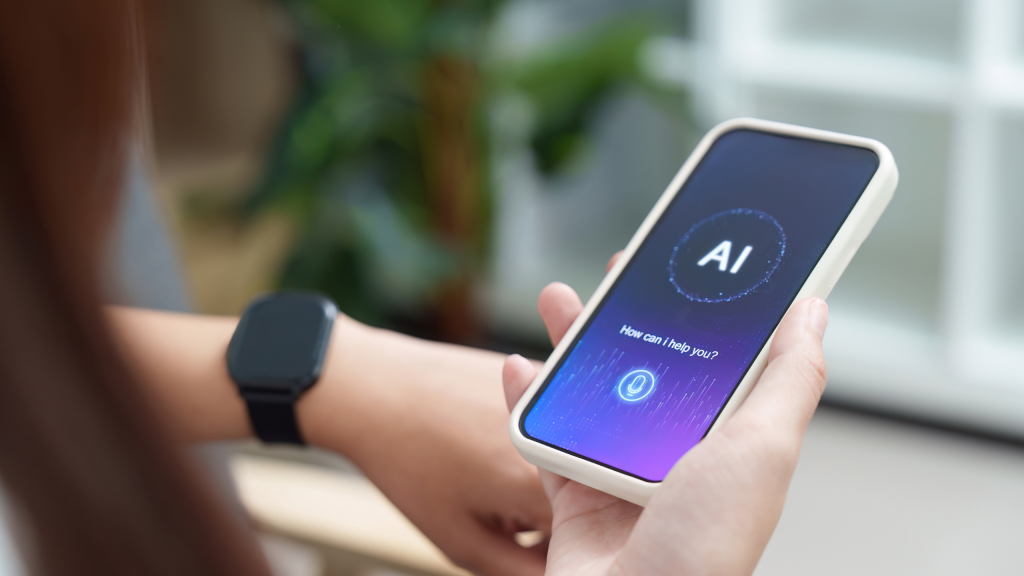
AI Therapy vs. Real Therapy: A Direct Comparison
When comparing AI chat tools to a licensed professional, the differences go far beyond a screen.
First and foremost is the lack of human empathy. ChatGPT can output phrases like “I’m sorry you’re feeling that way,” but it doesn’t actually feel anything. Real therapy is built on the therapeutic alliance—the deeply human connection and trust formed between a patient and provider. This relationship is often cited by clinical research as the most critical factor in successful mental health treatment.
Furthermore, real therapists are accountable. At MindShift Urgent Care, our providers, are bound by ethical codes, HIPAA regulations, and licensing boards. ChatGPT has no legal or ethical obligation to your well-being. A licensed psychiatric provider can also prescribe and manage psychotropic medications, order lab work, and coordinate a comprehensive treatment plan—capabilities entirely outside the realm of artificial intelligence.

How AI and Human Therapy Can Complement Each Other
Instead of viewing AI as a replacement for therapy, it is much more productive to view it as a supplementary tool. When used correctly, ChatGPT can bridge certain gaps in the mental health care journey.
For instance, you might use AI to journal your thoughts between therapy sessions. You can ask an AI to help you identify the cognitive distortions in your journal entry before you bring them to your therapist for a deeper discussion. AI can also help you practice boundary-setting conversations through role-play or generate a list of self-care activities tailored to your interests.
The key is treating AI as an interactive self-help book rather than a substitute for professional psychiatric care.
Best Practices for Using AI Safely
If you decide to incorporate AI into your mental wellness routine, establishing clear boundaries is crucial.
- Never use AI for emergencies: If you are experiencing a crisis, having thoughts of self-harm, or feeling actively unsafe, bypass AI completely. Dial 911, reach out to a crisis lifeline, or visit a specialized urgent care clinic.
- Protect your privacy: Do not share personally identifiable information, specific trauma details, or medical history with a public AI model.
- Verify the advice: If an AI suggests a new coping mechanism or supplement, run it by your healthcare provider before implementing it.
- Keep humans in the loop: Ensure you have a real-world support system—friends, family, and medical professionals—who know what you are going through.

Take the Next Step in Your Mental Health Journey
Artificial intelligence is an incredible technological advancement, but it cannot replace the warmth, expertise, and personalized care of a real human being. Mental health is complex, and you deserve a provider who can safely and effectively navigate that complexity with you.
If you are dealing with overwhelming anxiety, depression, or PTSD, you don’t have to rely on a chatbot or wait weeks for an appointment. MindShift offers same-day, walk-in mental health care in Houston, both in-person and via telehealth. Our expert team provides the prompt evaluation and personalized treatment you need to start feeling better today. Schedule an appointment or call us at (346) 330-3730 get fast, compassionate care when it matters most.
Share
Recent Posts
Postpartum Depression: When “Baby Blues” Feel Like Something More
August 20, 2026
Learn about postpartum depression in Houston and Texas, including the signs, science behind it, treatment options, and how to get compassionate mental health...

How to Know When You Need Support After a Loss
July 21, 2026
Houston is hosting FIFA excitement, but are you taking care of your mental health? Discover our FIFA Fan Mental Health Playbook and learn...

Feeling Hopeless: What to Do When Depression Feels Unmanageable
July 21, 2026
Houston is hosting FIFA excitement, but are you taking care of your mental health? Discover our FIFA Fan Mental Health Playbook and learn...